The Rise of the LinkedIn Selfie
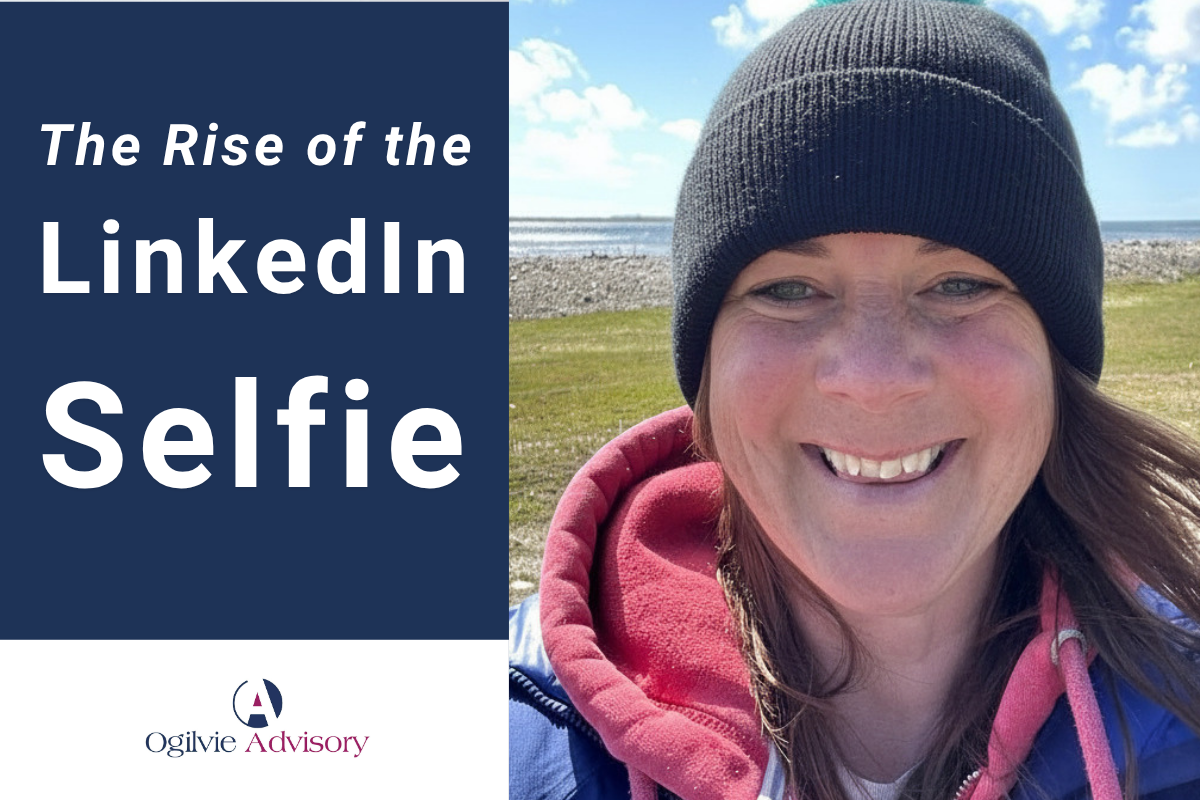
Love them or hate them, LinkedIn selfies seem to be everywhere. The question is why?
If you've spent any time on LinkedIn recently, you've probably noticed something.
Selfies are everywhere.
People are taking photographs of themselves in airports, coffee shops, cars, hotel lobbies, conference centres, offices, walking down the street, sitting at their desks and occasionally staring thoughtfully into the middle distance.
Love them or hate them, there is no denying that selfies have become one of the defining features of modern LinkedIn.
The question is why?
More importantly, do they actually work?
The answer is yes.
And no.
Like most things in business, it depends.
Why Have Selfies Become So Popular?
At its core, LinkedIn is no longer simply a place to connect to colleagues or display a CV. It has evolved into a personal branding platform.
People increasingly buy from people rather than organisations. They want to know who they are dealing with. They want to see the person behind the business, the consultant behind the advice, the founder behind the company and the leader behind the team.
A selfie instantly creates a human connection. It reminds people that there is a real person behind the words. In a world of corporate logos, stock images and AI-generated content, a photograph of a real human being can feel surprisingly authentic.
The Confidence Signal
There is another reason selfies work. They communicate confidence.
Whether consciously or unconsciously, people often interpret a selfie as somebody being willing to put themselves forward, be visible and attach their own face to their ideas.
That takes a degree of confidence.
For some people, posting a selfie feels completely natural. For others, it feels deeply uncomfortable. Interestingly, the people who dislike selfies most strongly are often those who would never dream of posting one themselves. There is nothing wrong with either approach, but it is worth recognising that visibility can feel vulnerable.
Putting yourself out there always carries a degree of risk. People may judge. People may disagree. People may scroll past. Yet visibility is often one of the costs we pay to build a brand.
The Problem With Selfies
The challenge is that not every selfie works. A photograph communicates far more than most people realise. Energy matters. Expression matters. Context matters.
A selfie taken after a successful presentation may communicate enthusiasm, confidence and positivity. A selfie taken when somebody is exhausted, stressed, frustrated or disengaged may communicate exactly the same thing, even if that was never the intention.
People are remarkably good at reading facial expressions, body language and emotional cues, whether they do this consciously or not. When the image and the message feel aligned, the content often performs well. When they feel disconnected, people notice that too.
Context Is Everything
One of the biggest mistakes people make is assuming that selfies work in every situation.
They don't.
A thoughtful reflection on leadership accompanied by a natural photograph can feel authentic and engaging. A technical article about tax legislation paired with a dramatic close-up selfie may feel slightly confusing.
The image should support the message rather than distract from it. The most effective LinkedIn content creators understand this instinctively. They use photographs to reinforce the story they are telling.
Should You Post Selfies?
Perhaps the better question is whether a selfie reflects who you are. Some people build successful personal brands without ever posting a selfie. Others use them regularly and create strong engagement.
There is no universal rule. The goal is authenticity.
If posting a photograph of yourself feels aligned with your brand and your message, it can be a powerful way to build trust and connection. If it feels forced, uncomfortable or performative, your audience will probably sense that too.
The real lesson is not about selfies at all. It is about visibility.
People are increasingly choosing to connect with people rather than faceless organisations. Whether that happens through selfies, videos, articles, speaking engagements or conversations, the underlying trend is unlikely to disappear. In fact, it will probably continue to grow.
The Bigger Question
Many people's resistance to selfies has very little to do with photography. It has far more to do with visibility. Being seen can feel uncomfortable. Putting your ideas into the world can feel uncomfortable. Attaching your face to your opinions can feel uncomfortable. Yet personal brands, leadership positions and successful businesses often require us to become more visible than we might naturally prefer.
The question is not whether selfies are good or bad. The question is whether you are comfortable being seen.
Need Support Building Your Confidence Or Personal Brand?
Whether you are building a business, stepping into leadership, developing your personal brand or simply becoming more comfortable putting yourself forward, confidence and visibility are skills that can be developed.
If you would like support navigating leadership, decision-making, confidence or professional growth, I would be delighted to help.
Book a call with Ogilvie Advisory and let's explore how you can show up more confidently in your business, career and life.